Dryer Vent Lint and Fire Risk: What Your Lint Trap Doesn't Catch
Your lint trap catches the lint you can see, and the rest settles in the duct where you can't.
September 30, 2026 · 3 min read
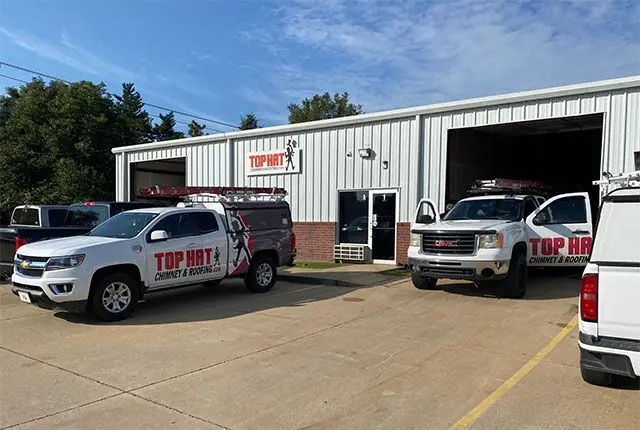
Most of us empty the lint trap every load and figure that's the dryer handled. It isn't. The trap catches a good share of the lint, but not all of it. The rest gets pulled through the trap's screen, down the duct and toward the outside of the house, and a little of it settles on the inside of the pipe every time the dryer runs. Lint is dry and highly flammable. Put it in a hot, enclosed duct, restrict the airflow, and you have a recipe for trouble. At Top Hat Chimney & Roofing we're venting specialists, and dryer vents are one of the quietest fire hazards in a house.
How lint builds up past the trap
A dryer is just a heater and a fan. The fan has to push moist, hot air out through the vent line, and it needs that path to be open. As fine lint collects on the walls of the duct, the pipe gets narrower. Even a buildup as small as half an inch can reduce airflow dramatically. Less airflow means the dryer runs hotter and longer, the heating element and the motor work harder, and the lint trapped in the line has more heat to sit in.
Long vent runs make it worse. Modern home layouts often put the laundry room far from an outside wall, which means longer duct, more turns and more places for lint to collect. Every elbow slows the air and gives lint something to catch on.
Warning signs of a clogged dryer vent
Your dryer will usually tell you something is wrong before it becomes dangerous, if you know what to look for.
- Clothes taking longer than they used to to dry, or needing a second cycle
- Excessive heat from the dryer, the clothes or the top of the machine
- A burning smell during or after a cycle
- Visible lint around the vent opening outside, or lint blowing back into the laundry room
- Utility bills creeping up for no obvious reason
Gas dryers add one more concern. A blocked vent can cause exhaust gases to back up into the house instead of leaving it, which is a carbon monoxide risk on top of the fire risk. If you have a gas dryer and any of these signs, don't put it off.
What a proper cleaning involves
Pulling a handful of lint out of the back of the dryer isn't a cleaning. A real dryer vent cleaning clears the entire vent line, from the dryer connection to the exterior termination point where the air leaves the house. That's where lint collects, and it's where a short brush or a vacuum hose can't reach. We use professional equipment for the full length of the run, then check that the air actually moves freely out the other end.
The benefits go beyond safety. A clean vent means shorter drying times, less strain on the appliance and lower energy use. Many people notice the difference the very first load afterward.
Crushed ducts and bad terminations
Sometimes the problem isn't lint at all. It's the vent itself. Pushing a dryer tight against the wall can crush the flexible duct behind it, pinching the airflow down to a fraction. Joints can pull apart inside a wall or attic and dump hot, linty air where nobody can see it. A vent that was routed with too many bends, or in a long run that never should have been that long, will clog quickly no matter how often you clean it.
The termination, the cap on the outside wall or roof, matters too. If it's damaged, blocked, missing, or the wrong type, air can't leave properly, and animals or nests can get inside the duct. Repair means correcting what's actually wrong: replacing crushed or damaged duct, reconnecting loose joints, fixing the termination, and rerouting where the run itself is the problem. Installation of a new vent system means properly sized and sealed ductwork, a sensible route, and a good exterior vent cap.
Keep it simple and keep it clear
Keep emptying the lint trap every load, and get the whole vent line looked at on a regular schedule. If your laundry room is far from an outside wall, or if you've noticed any of the signs above, don't wait for a routine cycle to tell you. Top Hat serves Springdale, Fayetteville, Rogers, Bentonville and the River Valley, and we've been at this since 1983. Call (479) 751-0432 to schedule a dryer vent cleaning or inspection.
Top Hat Chimney & Roofing, (479) 751-0432
Call (479) 751-0432More articles
Keep Your Home Happy and Gutters Clean
A clogged gutter does its damage quietly, and by the time you see it the water has already gone where it shouldn't.
Professional Roofing & Gutter Repairs
Repair or replace: the answer depends on the damage, how much of the roof it touches, and how old the roof is.