Chimney
Chimney inspections, Level 1 through Level 3
Find the cracked liner, the failing mortar and the hidden leak while it is still a small repair. CSIA certified technicians, serving Springdale and Northwest Arkansas.
Chapter 01
What hides in a chimney you cannot see
A chimney lives a hard life. It takes extreme heat from the inside and rain, wind and winter freeze and thaw from the outside. Over the years that combination cracks flue liners, breaks down mortar joints and lets water find its way into masonry that looked fine from the yard.
Most of the damage sits where you cannot see it. A cracked liner tile lets heat and gases reach the framing around the flue, and nothing about the firebox tells you it happened. Creosote can build up in the upper flue long before a stove shows any sign of trouble, and a slow leak can soak a smoke chamber for seasons before a stain ever reaches your ceiling.
That is the reason we inspect. The goal is to find fire hazards, structural damage and code concerns before they turn into costly repairs, whether you burn every night or only on the coldest weekends.
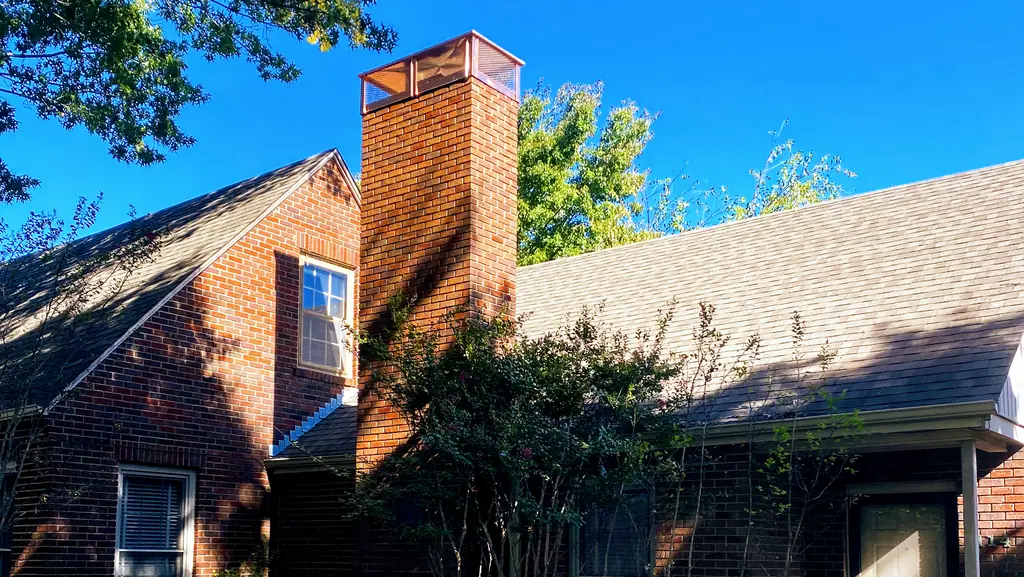
Red brick chimney with a copper cap against a deep blue sky
Level 1, Level 2 or Level 3: which one you need
A Level 1 inspection is for a chimney in regular use with no recent changes. The technician makes a visual assessment of the accessible components to confirm the system is operating safely. If nothing about your setup has changed and you simply want to know it is sound, this is the one.
A Level 2 inspection is called for after a home purchase, a change to the system, a relining or a weather event. It includes a video scan of the flue liner, so we can see damage the naked eye never reaches from the roof or the firebox. If you are closing on a house in Springdale or Fayetteville with a fireplace, this is the level to ask about.
A Level 3 inspection is performed when a serious hazard is suspected and may involve limited removal of components to reach concealed areas. It is the deepest look, and it is reserved for the cases that warrant it. All three follow national safety guidelines, and our technicians are CSIA certified.
Chapter 03
What you get back, and what happens next
An inspection that ends with a shrug is not worth the visit. One longtime Top Hat customer, Bob Scharf, described getting a "Detailed inspection report w pics" and wrote that the crew "Offered us additional recommendations and services. No hard sell." That is how we want every inspection to feel: you see what we saw, and you decide what to do about it.
Annual inspections are recommended if you use your fireplace regularly or have recently bought the home. If the technician does find structural trouble, the same Springdale team can handle the fix, from liner repair or replacement to masonry repair, smoke chamber restoration and chimney leak prevention. Repairs get scoped from what the inspection found, not from a sales script.
To book a visit, call the shop at (479) 751-0432 or send a request through the contact page.
CSIA certified chimney techs from Springdale since 1983. Call (479) 751-0432.
Inspections and sweeps work as a pair. If the report mentions heavy deposits, a chimney sweep is the next step. If it finds cracked masonry or a worn liner, see our repair and restoration work, and if water is the culprit, our chimney leak repair page explains how we stop it.